Mozart’s Magic Flute: A Fine Early Copy from the First Years of its Reception, c. 1794–5
Mozart’s Magic Flute: A Fine Early Copy from the First Years of its Reception, c. 1794–5
Nie można załadować gotowości do odbioru
Mozart, Wolfgang Amadeus (1756–1791).
Die Zauberflöte. Clavier-Auszug von Carl Zulehner No. 178.
[Mainz: B. Schott, 1794 or 1795]
Quarto.
This early piano-vocal reduction, published only three or four years after his death, is an important witness to the early domestic reception of Die Zauberflöte. It was issued by Schott in Mainz within the first decade of the opera’s reception. Prepared by Carl Zulehner (1770–1841), this piano-vocal reduction condensed Mozart’s orchestral score into a form suitable for private performance by singers and keyboard. Such Clavier-Auszüge were central to the early dissemination of opera in late eighteenth-century Europe, allowing works first heard in the theatre to circulate through salons, music rooms, and domestic performance.
Premiered in Vienna in 1791, Die Zauberflöte quickly became one of the defining works of German-language opera, combining popular theatre, Enlightenment symbolism, Masonic imagery, and fairy-tale drama. The present reduction preserves the principal vocal numbers, overture, and finale, and represents the opera in the practical form through which it was first encountered by many contemporary musicians and listeners.
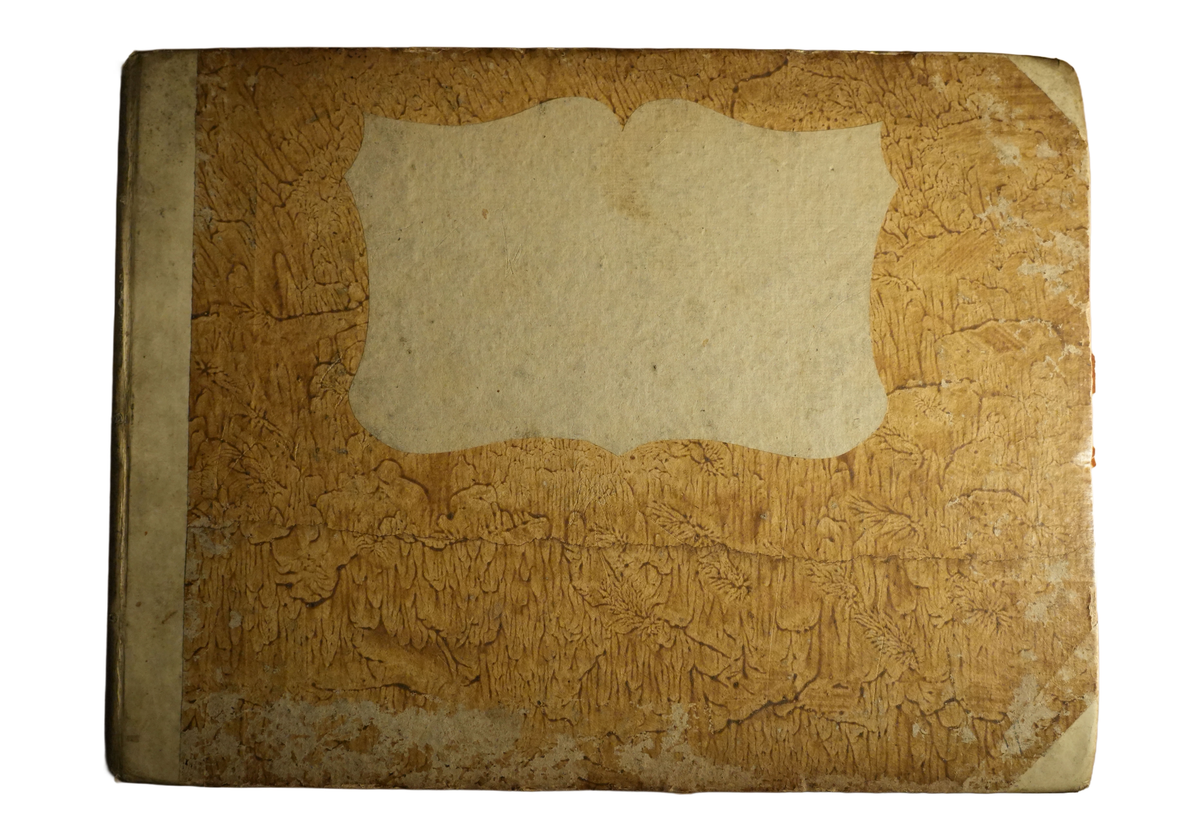
Unlike the abundant nineteenth-century vocal scores issued by later publishers, early reductions of this period were working musical books and were often heavily used. Complete copies in attractive contemporary condition are therefore increasingly uncommon. The present example, preserved in its contemporary binding with the original title label left unused, is a fine survival from the formative years of Mozart reception.
Despite its importance, no copies are recorded in Poland (cf. RISM).
Provenance
Condition
Copper-engraved title page featuring the distinctive early
variant spelling "Mozard," engraved list of characters, and 134
engraved pages of music. Complete. Bound in contemporary half-parchment over blue-grey paper boards; a contemporary blank paper title label is affixed to the upper cover. Binding entirely secure, joints solid, with expected light rubbing to the paper boards and extremities. Internally remarkably crisp and clean; an exceptional, wide-margined survival with only a few minor, isolated foxing spots, completely free of the heavy finger-soiling or candle-wax stains typically found on performance scores of this era.
RISM A/IM 4783; RISM MM 4783; Hans-Christian Müller, Bernhard Schott, Hofmusikstecher in Mainz: Die Frühgeschichte seines Musikverlages bis 1797 (Mainz: B. Schott’s Söhne, 1977), p. 149.
Share